
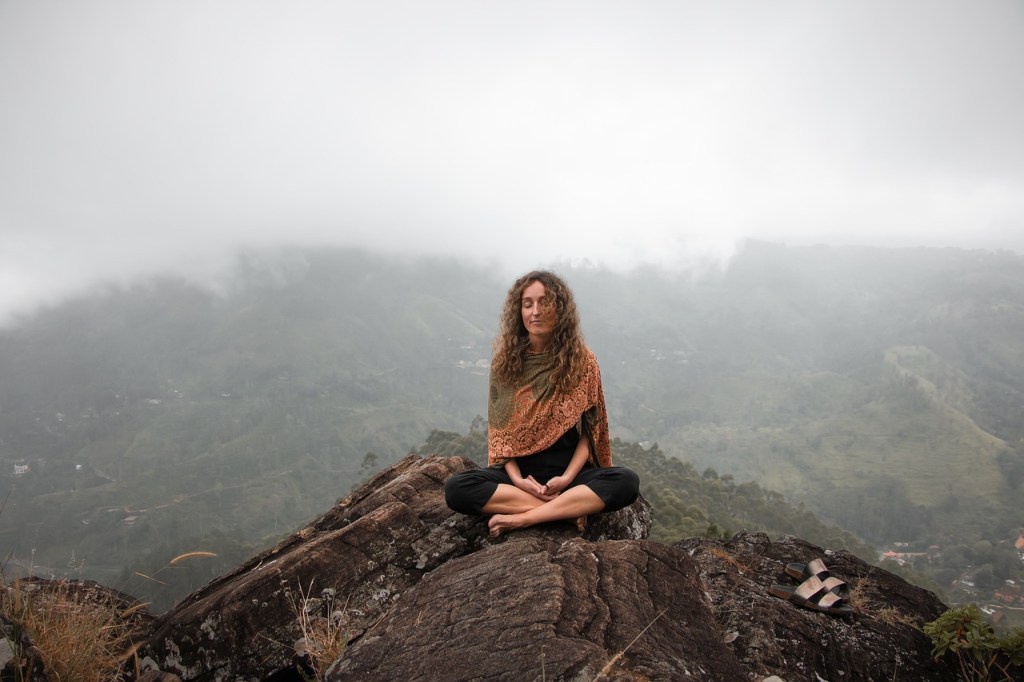
Reiki, a powerful energy healing technique, is believed by some to have ancient roots stretching back thousands of years. However, over time, knowledge of this practice was lost—until Mikao Usui rediscovered it through an intense spiritual experience on Mount Kurama in Japan. This rediscovery has since evolved into the Reiki practice we know today, influencing countless lives worldwide.
Mikao Usui: The Man Behind Reiki
Mikao Usui was born in Japan on August 15, 1865. Throughout his life, he immersed himself in a wide range of disciplines, including martial arts, history, medicine, psychology, Buddhism, divination, and physiognomy (the study of facial expressions). It is believed that he was a Tendai Buddhist priest and may have also studied Shugendō, a Japanese spiritual practice blending elements of Tantric Buddhism, Shinto, Daoism, and shamanism. These interests and studies suggest that Mikao Usui was deeply devoted to healing and spirituality.
The Discovery of Reiki
The most widely accepted story of Reiki’s rediscovery tells of Mikao Usui’s 21-day fast and meditation on Mount Kurama. Seeking to activate the healing power he had studied but not yet fully realized, he embarked on this spiritual journey, practicing an intense discipline known as Kushu Shinren.
During his meditation, Usui placed 21 pebbles in front of him, discarding one each day as he prayed, meditated, sang, and read the sutras. On the final day, he asked for divine guidance, and a bright light appeared in the sky, rushing toward him and striking his third eye chakra. This experience knocked him unconscious, during which he saw visions of sacred symbols—the very ones he had studied before but had not yet understood. Upon waking, he realized these symbols were the keys to unlocking Reiki’s healing power.
As he descended the mountain, he stubbed and cut his toe. Instinctively, he grasped it with his hands, and to his astonishment, the pain and bleeding stopped instantly. Further confirming his newfound abilities, he later helped a waitress suffering from illness and found that his touch had the power to heal others as well.
Though some believe this story is a myth designed to inspire faith in Reiki, Mikao Usui remains the undisputed founder of this healing practice, and his teachings continue to be passed down through generations of practitioners.
Reiki’s Journey to America
After Mikao Usui’s passing from a stroke on March 9, 1926, his students continued his work. He had trained over 2,000 students, and among them was Chujiro Hayashi, a naval physician who integrated Reiki into his medical treatments. Hayashi became one of the 20 (some say 21) Reiki Masters personally trained by Usui.
Reiki’s introduction to the West began when Chujiro Hayashi met Hawayo Takata, a Japanese-American woman from Hawaii. While in Japan for medical treatment, Takata was on the verge of undergoing surgery for a tumor and gallstones when she heard an inner voice urging her to seek an alternative. This led her to Reiki, and through treatments from Hayashi, she experienced complete healing. Fascinated and determined to learn Reiki, she persistently sought training, despite initial resistance due to her status as a foreigner. Eventually, Hayashi agreed to teach her.
After a year of intensive training, Takata returned to Hawaii, bringing Reiki with her. Hayashi later joined her for six months, helping her establish her practice. Through her dedication, Reiki spread across America, evolving and adapting along the way.
The Evolution of Reiki Over Time
Like any practice passed down through generations, Reiki has undergone changes, particularly as it integrated into Western culture. One of the most significant transformations occurred due to the oral transmission of Reiki’s sacred symbols. Originally, students were not allowed to write them down, relying solely on memory. Over time, minor differences in the symbols emerged, and after Takata’s passing, her students realized they had learned slightly different versions. This led to the standardization of the Reiki symbols used today.
Additionally, to make Reiki more acceptable in Western culture, certain aspects of its history were altered. For instance, it was falsely claimed that Mikao Usui was Christian, had attended an American university, and held a doctorate. These inaccuracies likely stemmed from language barriers and cultural adaptations, particularly confusion around the term “sensei,” which was mistakenly interpreted as “doctor.”
Reiki Today
Despite these changes, Reiki remains a profoundly effective healing modality that continues to transform lives. The energy and intention behind Reiki remain true to Usui’s original purpose—bringing healing, enlightenment, and personal growth to those who seek it. Whether you are receiving Reiki for the first time or considering becoming a practitioner, you are connecting to a lineage of healing that traces back to Mikao Usui’s incredible journey on Mount Kurama.
Perhaps one day, you will take this journey further, becoming a teacher yourself and passing on this extraordinary gift to others.
 Rise Anew